

From Transport to Refueling: The Link Between Tankers and Bunkers
In the maritime logistics world, the terms “tanker” and “bunker” are often used together but they describe two very different functions within global shipping operations. Both involve liquid fuels, yet their purposes and operations serve distinct roles in the marine supply chain.
For companies involved in shipping, marine fuel supply, and port services, understanding the difference between tankers and bunkers is essential for safe, efficient, and compliant operations especially across Egypt’s major ports, where Manta Marine Services operates as a trusted logistics partner.
What is a Tanker?
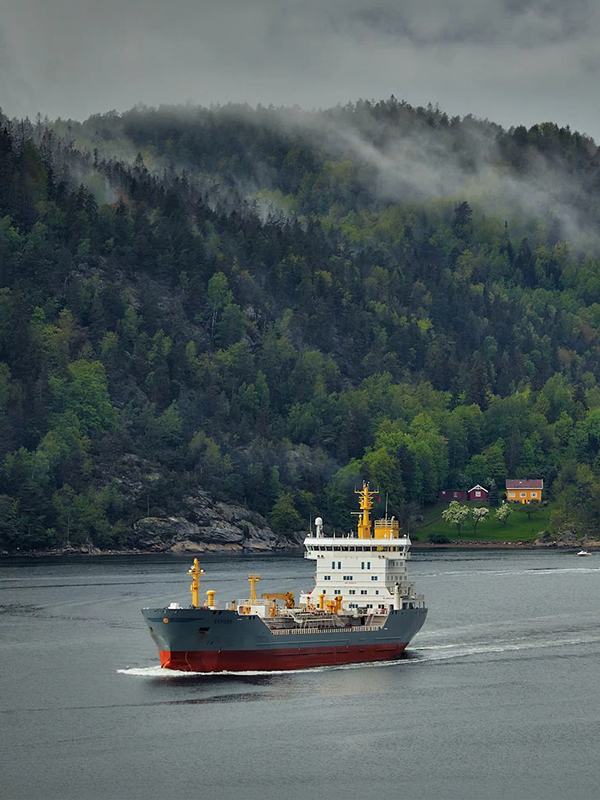
A tanker is a specialized vessel designed to transport large quantities of liquid cargo, including crude oil, refined petroleum products (like diesel and gasoline), chemicals, and liquefied gases such as LNG or LPG.
Tankers are engineered with segmented cargo tanks, pumping systems, and complex pipelines that allow for the safe and efficient transfer of liquid cargoes between terminals and refineries around the world.
In short, the main function of a tanker is to carry fuel not consume it.
For example, a crude oil tanker may deliver petroleum from the Arabian Gulf to refineries in the Mediterranean or Europe, ensuring the steady flow of global energy supplies.
What is a Bunker?
In contrast, the word “bunker” refers to the fuel consumed by ships themselves not the cargo they carry.
Bunkering is the process of supplying this marine fuel to vessels, either while docked at a terminal or offshore via bunker barges and tankers.
Common bunker fuel types include Heavy Fuel Oil (HFO), Marine Gas Oil (MGO), and Low-Sulfur Fuel Oil (LSFO) all of which must comply with strict international standards, such as IMO 2020, to minimize emissions and ensure environmental compliance.
In essence, while a tanker carries fuel as its cargo, a bunker operation provides fuel for a ship’s own propulsion and power generation.
The Core Difference
The primary distinction lies in their purpose:
- Tankers transport oil, fuel, or chemicals as cargo across long distances.
- Bunkers supply fuel for a ship’s engines and onboard systems.
This means that tankers serve the global energy supply chain, while bunkering represents the final operational link delivering that same energy directly to ships so they can continue their journeys.
How Tankers and Bunkers Are Connected
Although their functions differ, tankers and bunkers are interdependent.
For example, a tanker vessel may deliver refined marine fuel to a port storage terminal in Alexandria or Port Said. From there, bunker suppliers such as those supported by Manta Marine Services transfer this fuel to ships via smaller bunker barges or supply trucks.
In this way, tankers transport energy globally, while bunkering operations distribute it locally to vessels navigating Egyptian and international waters.
Why Understanding This Difference Matters
Recognizing the operational and technical differences between tankers and bunkers is vital for all marine stakeholders:
- Port authorities benefit from safer, more efficient refueling operations.
- Ship owners and operators maintain compliance with IMO standards and environmental regulations.
- Fuel traders and logistics managers can better coordinate between transport, storage, and supply phases.
In the broader context of Egypt’s maritime sector, this knowledge promotes smoother logistics, operational safety, and sustainable port activity aligning with Manta’s commitment to reliable marine supply chain management and port efficiency.
Conclusion
The terms tanker and bunker may sound similar, but their roles within the maritime ecosystem are distinct yet interconnected. Tankers move fuel as cargo, while bunkering delivers that fuel to ships for their own consumption.
At Manta Marine Services, we understand the importance of both sides of this process. Through our integrated marine logistics, port coverage, and bunker coordination services, we help ensure that vessels calling Egyptian ports receive safe, timely, and compliant fuel supply keeping trade and shipping moving across the region and beyond.